
Grand Teton National Park is one of the few places in the United States where night truly returns to its natural state. Far from cities and artificial glow, the sky above Colter Bay reveals not only stars and the Milky Way, but also subtle atmospheric and optical effects that are invisible under light-polluted skies.
These nightscape images were captured near Colter Bay Village under moonless, pristine dark-sky conditions. Here, the Milky Way appears intensely detailed, reflections form easily on still water, and even ordinary clouds behave differently — no longer glowing from below, but appearing as dark silhouettes against the star field.
This post focuses on a different aspect of dark-sky astrophotography than my other Grand Teton images. Rather than reflections or monumental structure, it explores how darkness itself changes perception — revealing effects that can feel unusual, even surreal, simply because we are no longer accustomed to seeing the night sky as it truly is.
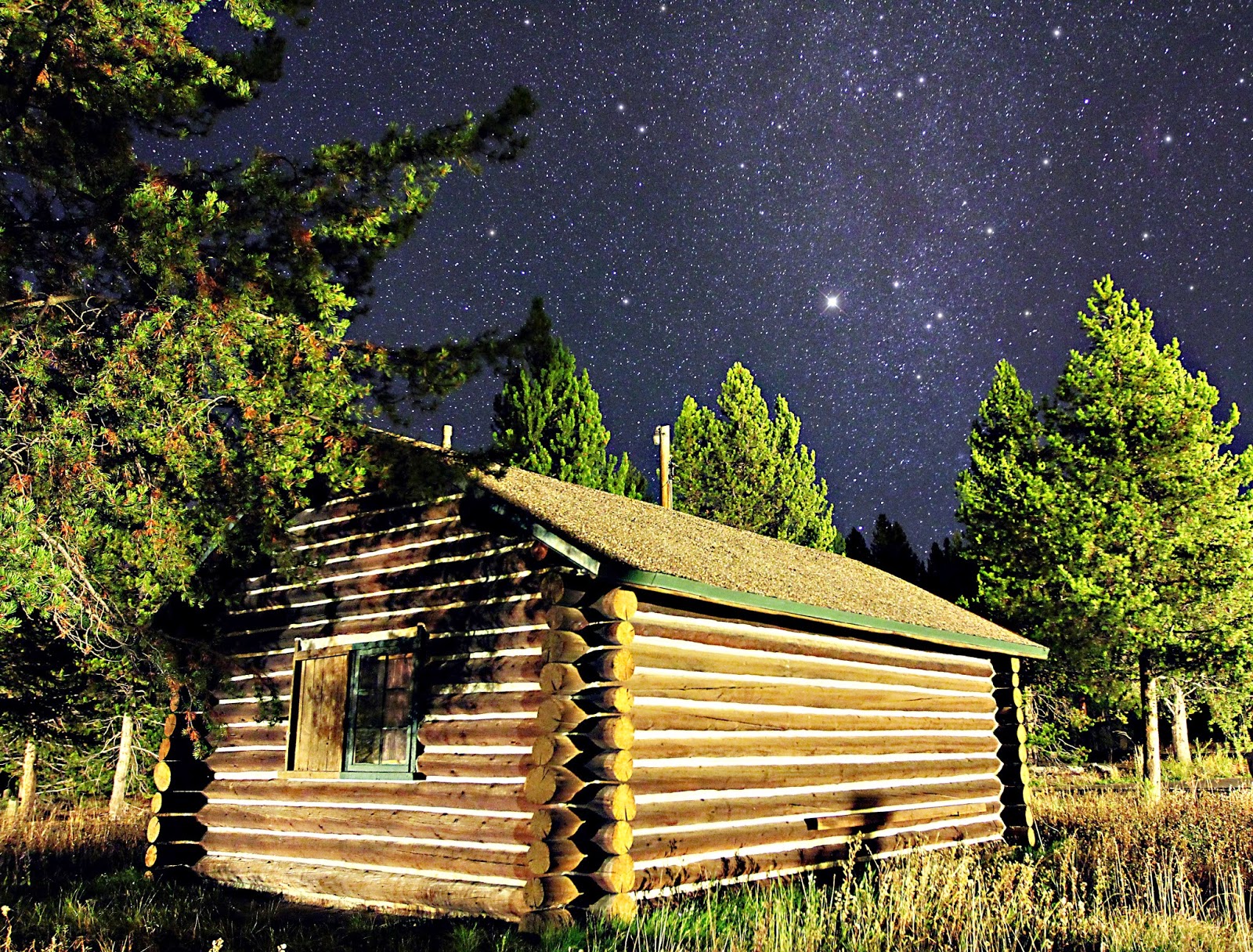 |
| Grand Teton National Park Nightscape Astrophotography Colter Bay Village Starry Sky Canon 60Da |
Camera Canon 60Da; Wide Angle Lens EF16-35mm f/2.8L II USM; Exposure 20.0 sec; f/2.8; ISO 4000
 |
| Night Sky Grand Teton - Canon 60Da |
 |
| Grand Teton Starry Night Sky |
 |
| UFO Cloud and Milky Way Grand Teton Astrophotography Night Sky Canon 60Da |
On this quiet night in Grand Teton, I noticed an unusual dark cloud moving slowly across the Milky Way. It wasn’t a deep-space shadow, but a real Earth cloud, visible only because the sky was truly dark.
Under urban skies near New York, clouds glow from light pollution and never appear dark — but here, without moonlight and artificial glow, the same cloud became an inky silhouette against the stars.
Under truly dark skies, clouds can appear darker than the sky itself because they block starlight rather than reflect artificial light from below. When such a cloud passes over the Milky Way, it briefly hides millions of stars and forms a dramatic silhouette that can look almost supernatural.
I waited until it drifted over the brightest part of the Milky Way, creating the illusion of a UFO-shaped shadow floating across the galaxy.
 |
| Starry Sky Reflection Grand Teton Astrophotography |
 |
| Night Sky Grand Teton Milky Way Astrophotography |
 |
| Milky Way and Colter Bay Cabin Astrophotography |
Grand Teton Night Sky Video
There is YouTube video

No comments:
Post a Comment