blank'/>

Astrophotography banner

Wednesday, November 11, 2020

A Tree and the Milky Way

Earth is home to an estimated 3 trillion trees, while our Milky Way galaxy contains about 400 billion stars. It’s fascinating to think that there are actually more trees on our planet than stars in our galaxy—a reminder of how rich and extraordinary our world truly is.

This photo brings both worlds together: a single prominent tree standing under the bright arc of the Milky Way, with additional trees softly visible in the background, adding depth to the night landscape. The scene was captured in Bethel, Sullivan County, New York, under a dark and beautifully clear night sky.

Milky Way over a main tree with other trees visible in the background
A Tree and the Milky Way

Captured with the Canon EOS Ra — 10 seconds, ISO 16,000, f/2.8 using the Canon EF 16–35mm f/2.8L II USM. The bright asterism known as the Summer Triangle—formed by the stars Vega, Deneb, and Altair—is clearly visible between trees. Photographed in Bethel, Sullivan County, New York.

Related Astrophotography Posts

Thursday, November 5, 2020

Corona Constellation during Coronavirus pandemic

 Corona Borealis is a constellation in the northern sky. Its name means “the northern crown” in Latin. Corona Borealis is the 73rd constellation in size, occupying an area of 179 square degrees. It lies in the third quadrant of the northern hemisphere and can be seen at latitudes between +90 and -50 degrees. 

Corona Constellation during Coronavirus pandemic

Canon EOS Ra, ISO 40,000, 3 sec, EF16-35mm f/2.8L II USM, f/2.8.

Saturday, October 10, 2020

Austin Dam Ruins - Cherry Springs State Park Pennsylvania Astrophotography


Austin Dam was a dam in the Austin, Pennsylvania area that served the Bayless Pulp and Paper Mill. A failure of the dam on September 30, 1911 caused significant destruction and loss of life in the valley below. The dam was rebuilt, but the new dam failed in 1942. The dam was not replaced after the second failure. In 1994 the Austin Dam Memorial Park Association was formed and they since have worked diligently to preserve the dam remains.


Austin Dam Ruins - Cherry Springs State Park Pennsylvania Astrophotography

Canon EOS Ra, ISO 16,000, 15 sec, EF16-35mm f/2.8L II USM, f/2.8.


Green airglow is visible on this photo. 

Green Sky and Red Milky Way - Cherry Spring State Park Pennsylvania Astrophotography

Canon EOS Ra, ISO 10,000, 25 sec, EF16-35mm f/2.8L II USM, f/2.8.


Austin Dam Ruins map


Monday, October 5, 2020

Watching the sky, Observing meteors, Making wishes - Cherry Spring State Park Pennsylvania

Cherry Springs State Park is one of the darkest places on the entire U.S. East Coast, making it perfect for meteor watching and night-sky photography. During this calm and crystal-clear night, we observed several meteors streaking across the sky. Even the faint ones were easy to see thanks to the park’s exceptional Bortle 2 skies.

Here is a close-up view of one of the meteors captured that night:

Meteor over Cherry Springs State Park Pennsylvania
Meteor over Cherry Spring State Park Pennsylvania

This meteor appears to be a random sporadic meteor, not part of a major shower — a reminder that even on quiet nights the sky always has surprises.

Here is the full wide-angle image from the same moment:

Watching the sky and observing meteors at Cherry Springs State Park
Watching the sky, Observing meteors, Making wishes - Cherry Spring State Park Pennsylvania

Camera setup:
Canon EOS Ra – ISO 10,000 – 15 sec exposure
Lens: Canon EF 16–35mm f/2.8L II USM – f/2.8

Nights like this, sitting under one of the darkest skies in America, always feel magical. A few meteors… a few wishes… and a perfect quiet night at Cherry Springs.

Related Astrophotography Posts

Wednesday, September 30, 2020

Cherry Springs State Park Pennsylvania Astrophotography

Located in north-central Pennsylvania at an elevation of about 2,300 ft (701 m), Cherry Springs State Park is one of the darkest places on the entire U.S. East Coast. The park is an officially recognized International Dark Sky Park and is famous among astronomers and astrophotographers for its pristine, high-altitude skies and excellent 360-degree horizon views.

The Milky Way Over the Observatory Domes

In the foreground you can see two astronomical domes, the distant forest line, and a fun set of signs reading “Galaxy” – “Slow Down” – “No Dust”. Above the scene, the Milky Way rises brightly across the sky.

Milky Way over two observatory domes at Cherry Springs State Park Pennsylvania with Galaxy Slow Down No Dust sign
Cherry Springs State Park Pennsylvania Astrophotography - Galaxy - Slow down - No dust

Camera & Lens

  • Canon EOS 60Da (modified for astrophotography)
  • Canon EF 16–35mm f/2.8L II USM

Exposure Details

  • ISO 20,000
  • 15 sec exposure
  • f/2.8

Processing

Processed using Adobe Camera Raw, Photoshop, Topaz Denoise AI and Topaz Sharpen AI to reduce noise, enhance star clarity, and balance the color of the Milky Way.

About Cherry Springs: Why It’s Special

Cherry Springs State Park is considered one of the top stargazing sites in the eastern United States. Its remote location and high elevation mean exceptionally dark skies, often reaching Bortle Class 2. On moonless nights, the Milky Way is easily visible to the naked eye from horizon to horizon.

  • Very low light pollution
  • Dedicated astronomer field
  • Restricted vehicle movement after dark
  • No white lights allowed
  • Excellent southern horizon for Milky Way imaging

From NYC, the drive takes approximately five hours, leading deep into Pennsylvania forest land. When you arrive at night, the darkness feels almost unreal — perfect for astrophotography.

Daytime Photos from the Park

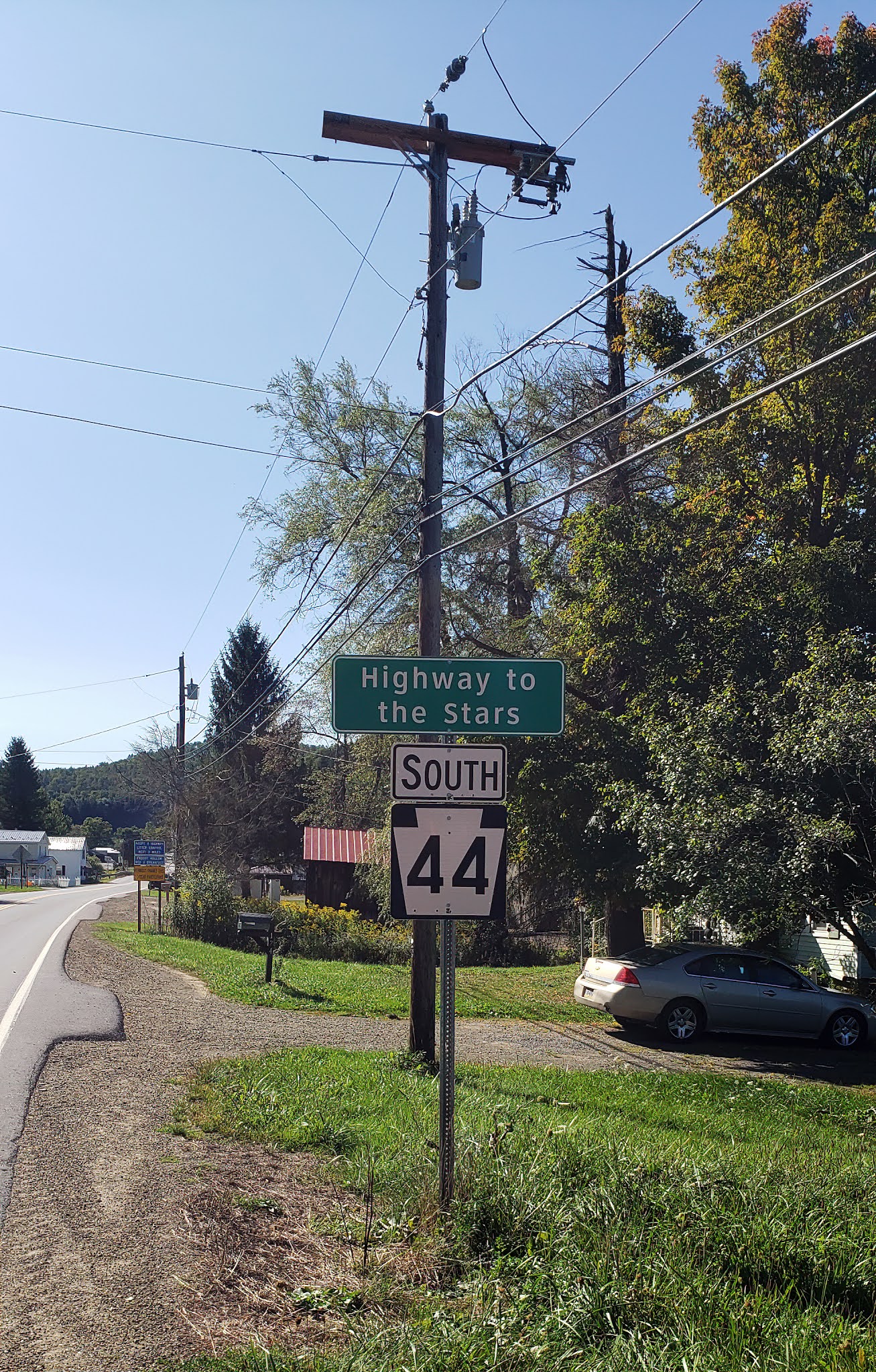
The following images were taken during the day to show how the park looks in normal light. This area includes the observatory domes, astronomer pads, fields, and surrounding forests. Cherry Springs has many fun details visible only in daylight — including the “Highway to the Stars” road sign near South 44, reminding visitors that they are entering one of the darkest and most famous stargazing locations in the eastern United States.


Astronomer area and domes at Cherry Springs State Park
Domes - Cherry Springs State Park, Pennsylvania

Astronomy field at Cherry Springs State Park Pennsylvania
Sign - Cherry Springs State Park

Dark Sky Fund Board information sign with logo at Cherry Springs State Park Pennsylvania
Dark Sky Fund

Stargazer's Delight informational sign at Cherry Springs State Park with astronomical images and text
Stargazer's Delight

Through an Astronomer's Eyes informational sign at Cherry Springs State Park showing astronomy diagrams and explanations
Through an Astronomer's Eyes

Road at Cherry Springs State Park with South 44 road sign and Highway to the Stars sign on pole
Highway to the Stars

Astro Haven Dome with nearby tents, parking area, and forest at Cherry Springs State Park Pennsylvania
Astro Haven Dome

Directional sign at Cherry Springs State Park showing Astronomers Overnight Area, Public Program Parking, Short Term Stargazing Parking, and Campground
Astronomers overnight area

Cherry Springs remains one of my favorite dark-sky locations in the eastern United States. The combination of quiet forest surroundings, dedicated observatory domes, and extremely dark skies makes it a dream destination for night-sky photographers.

Visiting Tips

  • Best time for Milky Way: April–September (new moon weekends are best).
  • Bring red lights only: white light is prohibited.
  • Warm clothing: nights get cold even in summer.
  • Arrive before sunset: headlights are not allowed to enter the astronomy field after dark.
  • Reserve ahead: astronomer field can fill up on holidays or special events.

Related Posts

Tuesday, September 22, 2020

Milky Way Rainbow Panorama Canon EOS Ra over Bethel Catskill NY

This image captures a full arch of our galaxy — often called the Milky Way Rainbow. It is my first full-sky panorama of the Milky Way made with the Canon EOS Ra, and another step in testing the camera’s impressive astrophotography performance.

The Canon Ra handles high ISO extremely well, producing low-noise results even at ISO 20,000. Using short 5-second exposures helped avoid star trailing and made the 20-shot panorama quick to capture. A dedicated contrast-enhancing filter helped bring out the structure of the Milky Way, and the final image was created by stitching all frames together in Photoshop.

The foreground shows tall grass with a line of forest farther in the distance. A bit of light behind the camera softly illuminates the landscape, creating depth and atmosphere while preserving the natural nighttime look. Above the scene, the Milky Way forms a complete glowing arch across the sky — a true “rainbow” of our galaxy rising over Bethel and the Catskill region of New York.


Milky Way Rainbow Panorama Canon EOS Ra over  Bethel Catskill  NY Astrophotography
Milky Way Rainbow Panorama Canon EOS Ra over  Bethel Catskill  NY - Astrophotography

Technical details:
Canon EOS Ra • EF 16–35mm f/2.8L II USM • f/2.8 • 5 seconds • ISO 20,000
Panorama of 20 photos

About the Catskill Region

The Catskill Mountains, located in southeastern New York State, are known for their rugged forests, hiking trails, wildlife, and the protected Catskill Forest Preserve. The area offers some of the darker skies in the region, making it an excellent place for landscape astrophotography.

Related Astrophotography Posts

Monday, September 14, 2020

Topaz DeNoise AI Canon Ra Milky Way Astrophotography

Noise is one of the main challenges in astrophotography. Even though the Canon EOS Ra produces noticeably less noise compared to the older Canon 60Da, high-ISO wide-angle images still show visible grain—especially when zoomed in.

Over the years I tried many noise-reduction tools including Adobe Camera Raw, Noise Ninja, and Photoshop’s built-in filters. But Topaz DeNoise AI completely changed my workflow. Its artificial intelligence–based processing gives far cleaner results with less effort, turning amateur astrophotography into almost professional-level output with just one filter.

Topaz DeNoise AI integrates directly into Photoshop, making the cleanup process simple, fast, and extremely effective.

Topaz DeNoise AI before-after comparison Milky Way astrophotography
Topaz DeNoise AI Astrophotography

This screenshot shows a live split-screen inside Topaz DeNoise AI. The left half displays the original noisy image, and the right half shows the AI-cleaned version. This preview uses my real astrophotography frame of the Milky Way’s bright galactic center rising over the forest in Bethel, Catskill, NY. The software allows adjusting settings in real time, so you can immediately see improvements in star sharpness, dust lanes, and sky texture as noise is reduced.

Canon EOS Ra — 5 sec, ISO 20,000, f/2.8, 16mm + Topaz DeNoise AI

Milky Way after Topaz DeNoise AI Canon EOS Ra noise reduction
Topaz DeNoise AI Canon Ra Milky Way Astrophotography


This is the final processed photo after applying Topaz DeNoise AI. Captured using the Canon EOS Ra in Bethel, Catskill, NY, this Milky Way frame becomes dramatically cleaner after denoising. The AI preserves fine structure in the galactic core, enhances contrast, and minimizes high-ISO grain while keeping the image natural and sharp.

Related Astrophotography Posts

Wednesday, August 26, 2020

Canon Ra Panorama Milky Way Toronto Reservoir Bethel, NY

This is one of my early large-format panoramas taken with the Canon EOS Ra. Previous posts featured single exposures, but here I captured a classic wide-field Milky Way panorama composed of 10 separate images, stitched together to reveal far more detail and structure in the galactic core.

The photo was taken at Toronto Reservoir in Bethel, New York, a quiet and scenic area located about 7.7 miles from Monticello in Sullivan County. The reservoir sits in a relatively dark region compared to NYC, making it a great location for astrophotography when the sky is clear.

In the photo you can clearly see the calm surface of the Toronto Reservoir, framed by the dark silhouettes of trees along the shoreline. The water reflects the trees and several bright stars, creating a peaceful mirrored foreground. Above it, the Milky Way stretches like a river in the sky, while the reservoir becomes the river on Earth — both flowing in parallel. A portion of the Galactic Center is also visible, adding extra detail and structure to the panorama.

Canon EOS Ra Milky Way Panorama over Toronto Reservoir, Bethel NY
Canon EOS Ra Panorama Milky Way Toronto Reservoir Bethel, NY

Technical details:
Canon EOS Ra • EF16–35mm f/2.8L II USM • f/2.8 • ISO 6400
Panorama of 10 images, each 8 seconds

Related Astrophotography Posts

Wednesday, July 22, 2020

The comet NEOWISE reflecting in Wesserlauf Pond, Bethel, New York

Comets are like cats: they have tails, 
and they do precisely what they want. 
David H. Levy

This photo captures Comet C/2020 F3 (NEOWISE) beautifully reflected in Wesserlauf Pond in Bethel, New York. Both the comet itself and its water reflection were visible to the naked eye that night.

On the image, you can see the comet’s bright nucleus, its long tail stretching upward across the sky, and the clear reflection of both the comet and surrounding trees in the pond. The stars are also visible in the water, creating a peaceful double-sky effect.

The comet shows two tails on the photo: the wider yellow-white dust tail and the thinner blue ion tail, which is usually invisible to the human eye but captured nicely by the camera’s sensor. To reduce noise, I used DeNoise AI during processing.


Comet NEOWISE reflected in Wesserlauf Pond, Bethel NY – Canon Ra nightscape
The comet NEOWISE reflecting in Wesserlauf Pond, Bethel, New York

Technical details:
Wesserlauf Pond, Bethel NY • Canon EOS Ra • EF 16–35mm f/2.8L II USM
f/2.8 • 12.5 seconds • ISO 16,000

About Comet NEOWISE

Comet C/2020 F3 (NEOWISE) was discovered on March 27, 2020 by NASA’s NEOWISE space telescope. In July 2020 it became one of the brightest naked-eye comets visible from the northern hemisphere in more than two decades.

NEOWISE displayed a dramatic dust tail and a faint blue ion tail, making it a rare and unforgettable astronomical event enjoyed by millions around the world.

Related Astrophotography Posts

Sunday, July 19, 2020

Comet C/2020 F3 (NEOWISE) Canon Ra Bethel, New York

We are hit by tons of material every day, but it is all dust. 
We are all walking around with comet dust in our hair.
- Don Yeomans

Comet C/2020 F3 (NEOWISE) became one of the brightest comets visible in the northern hemisphere since Comet Hale–Bopp in 1997. On July 17, 2020, it was bright enough to be seen with the naked eye, even from moderately light-polluted locations.

This image was taken in Bethel, New York using the Canon EOS Ra with a 200mm f/2.8 lens. The photograph clearly shows the comet’s bright nucleus and its beautiful dual tail structure — the wider dust tail and the thinner, straighter ion tail extending upward across the frame.

Comet NEOWISE C/2020 F3 with dual tails photographed in Bethel NY using Canon EOS Ra
Comet C/2020 F3 (NEOWISE) Canon Ra Bethel, New York

Technical details:
Canon EOS Ra • EF 200mm f/2.8L II USM • f/2.8 • ISO 40,000 • 2.5-second exposure

Related Astrophotography Posts

Thursday, July 9, 2020

Green Fireflies Night Landscape Bethel New York Canon Ra

Summer in New York brings one of nature’s most magical night displays — the glowing dance of fireflies. On this warm July night in Bethel, New York, the woods were alive with thousands of green light trails flickering under a crystal-clear, starry sky.

This image is a time-lapse composite created from multiple short exposures taken with the Canon EOS Ra astro-modded camera. The combination of fireflies and a quiet summer landscape creates a peaceful yet vibrant nighttime scene.

Green fireflies glowing under a starry summer sky in Bethel, New York — long-exposure composite captured with Canon EOS Ra astrophotography camera.
Green Fireflies Night Landscape Bethel New York Canon Ra

Camera & Exposure Settings

  • Camera: Canon EOS Ra
  • Lens: Canon EF 16-35mm f/2.8L II USM
  • Aperture: f/2.8
  • ISO: 12,800
  • Exposure: Composite of 30 images (3 seconds each)

The astrophotography-optimized sensor of the Canon Ra helps capture subtle green trails of the fireflies while preserving faint stars above. Stacking multiple short exposures reduces noise and reveals a fuller picture of their delicate light patterns as they move through the summer air.

Related Astrophotography Posts

Tuesday, June 30, 2020

Canon Ra Reflection Night Landscape Bethel, Sullivan County, New York Astrophotography

I continue testing my new Canon EOS Ra astrophotography camera. There is nothing quite like a starry, quiet summer night — the Milky Way moving slowly across the sky while the landscape glows softly beneath it.

This photo was taken in Bethel, Sullivan County, New York, an area that became world-famous in 1969 when nearly 500,000 people gathered on Max Yasgur’s Farm for the legendary Woodstock Festival. Today, the region is peaceful, rural, and surprisingly good for astrophotography.

In the image you can see a small local pond reflecting the surrounding trees and several bright stars. Even though it was nighttime, the landscape appears illuminated enough to reveal the details of the trees and water — the only sign that it is truly night is the Milky Way arching above. This is a simple one-shot exposure, but it carries a calm atmosphere that reminds me of childhood fairy-tale stories.


Milky Way Reflection Landscape in Bethel, Sullivan County NY – Canon EOS Ra
Canon Ra Reflection Night Landscape Bethel,  Sullivan County, New York Astrophotography 

Technical details:
Canon EOS Ra • 25 sec • ISO 20000 • f/2.8
Lens: Canon EF 16–35mm f/2.8L II USM • Single exposure

Related Astrophotography Posts

Tuesday, June 23, 2020

Milky Forest – Testing the New Canon EOS Ra Astrophotography Camera

After many years of shooting with my trusted Canon EOS 60Da, I finally upgraded to the Canon EOS Ra — and this image is one of my very first real-world tests. So far, the camera has exceeded my expectations in every way.

This photograph was taken near Bethel Woods, New York. The light pollution is noticeably lower than in New York City, but still present — a good test environment for seeing how well the Ra handles faint details in the Milky Way’s dense center.

Thanks to the EOS Ra’s enhanced hydrogen-alpha (Hα) sensitivity and modern full-frame sensor, the structure of the Milky Way remains beautifully visible even under moderate sky glow. The difference compared to the 60Da is immediately noticeable: stronger reds, more detail in the galactic core, and much cleaner high-ISO performance.


Milky Forest - Testing new Canon EOS Ra astrophotography camera
Milky Forest - Testing new camera Canon Ra

Camera Settings & Performance

Canon EOS Ra
Lens: Canon EF 16–35mm f/2.8L II USM
Exposure: 6 sec
Aperture: f/2.8
ISO: 20,000
Processing: Minimum Photoshop adjustments — this is almost straight out of camera.

The Ra's sensor allows much shorter exposures than the 60Da (which typically required 10–15 seconds for a similar sky brightness). Despite the short shutter time, the Milky Way’s core is sharp, detailed, and clean. High-ISO noise levels are dramatically lower, making the Canon EOS Ra a superb tool for night-sky photography.

Compare My Astrophotography Cameras

Related Astrophotography Posts

Monday, June 15, 2020

Canon EOS Ra Mirrorless Astrophotography Camera - First Look

The transition from DSLR to mirrorless marks a major revolution in both photography and astrophotography. After many years with my legendary Canon EOS 60Da, it was finally time to upgrade — and the Canon EOS Ra became my new primary astrophotography camera.

Released in November 2019, the EOS Ra is a specialized variant of the Canon EOS R designed specifically for astrophotography. It features 4× greater hydrogen-alpha (Hα) sensitivity, allowing the camera to capture deep reds in nebulae with exceptional clarity. Canon also included several features that make night sky shooting easier than ever.

Why Canon EOS Ra is Excellent for Astrophotography

  • 4× enhanced Hα sensitivity compared to the standard EOS R (perfect for nebulae).
  • 30× live view magnification — the best tool for extremely precise focusing on stars.
  • Electronic viewfinder (EVF) makes sky navigation much easier than DSLR optical viewfinders.
  • High ISO performance — up to ISO 102,400 with significantly reduced noise.
  • High-resolution sensor — 30.3 MP (6720 × 4480), great for large prints and deep crops.
  • Full compatibility with Canon RF lenses + EF lenses using the EF–RF adapter.
  • Wi-Fi + remote control — perfect for tripod work and long exposures.

Unboxing the Canon EOS Ra

Canon EOS Ra – Mirrorless Astrophotography Camera

Canon EOS Ra Mirrorless Astrophotography Camera First Look

What's Included in the Box

  • Canon EOS Ra Camera Body
  • Battery Pack LP-E6N
  • Battery Charger LC-E6
  • Wide Strap
  • Cable Protector
  • Interface Cable IFC-100U
Canon EOS Ra inside box
Canon EOS Ra Box
Canon EOS Ra Box
Canon EOS Ra Box and Accessories
Canon EOS Ra Unboxing

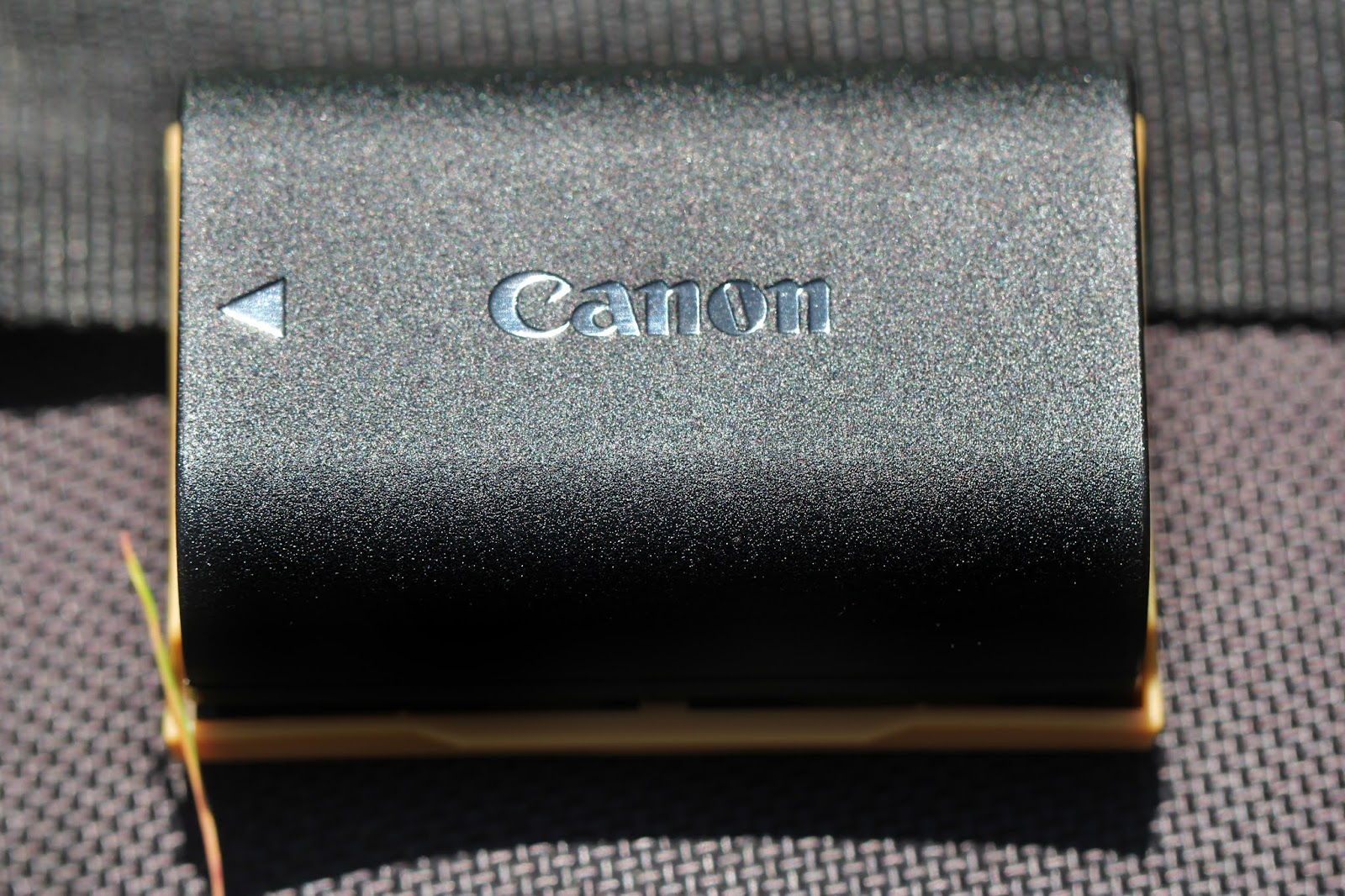
Canon EOS Ra Battery Pack LP-E6N Front
Canon EOS Ra Battery Pack LP-E6N Back Side
Battery Charger LC-E6
Canon EOS Ra Battery Charger LC-E6 and Pack LP-E6N
Canon EOS Ra Wide Strap
Canon EOS Ra Cable Protector
Canon EOS Ra Interface Cable IFC-100U

Compare My Astrophotography Cameras

Over the years I have photographed the night sky with several Canon cameras — from the classic Canon EOS 40D, to the specialized Canon EOS 60Da, and now the mirrorless Canon EOS Ra. Explore images taken with each camera to see how sensor improvements and Hα sensitivity changed my astrophotography results.